



Table of Contents
How Mindful Parenting Transforms Family Dynamics
Fun and Engaging Family Meditation Practices
Teaching Mindfulness to Kids Through Play
Building Emotional Intelligence and Resilience in Children
How Mindful Parenting Transforms Family Dynamics
Mindful parenting can be a game changer for family dynamics. By being present in each moment, you can foster an environment where empathy and understanding naturally flourish. Think of it like tuning an instrument; when each family member aligns through mindfulness, the entire household can play in harmony.
One significant impact of mindful parenting is improved communication. When you practice mindful listening, you allow each family member’s voice to be heard and valued. This approach helps to reduce misunderstandings and conflicts, promoting a sense of trust and respect. It’s like planting a garden—when you nurture it with attention and care, it blooms beautifully.
Moreover, engaging in mindfulness activities such as family meditation or simple breathing exercises can effectively reduce stress levels. When stress decreases, the home becomes a calmer, safer space for everyone. Imagine your family as a team of climbers, navigating the rocky terrains of daily life. With mindfulness, each step is taken with purpose and awareness, reducing the risk of stumbles and falls.
Lastly, this mindfulness approach encourages problem-solving and resilience. As families face challenges together, being present and reflective helps in thinking of solutions collaboratively. By practicing mindful parenting, you set the stage for a supportive environment where emotional intelligence grows and family bonds are strengthened.
Fun and Engaging Family Meditation Practices
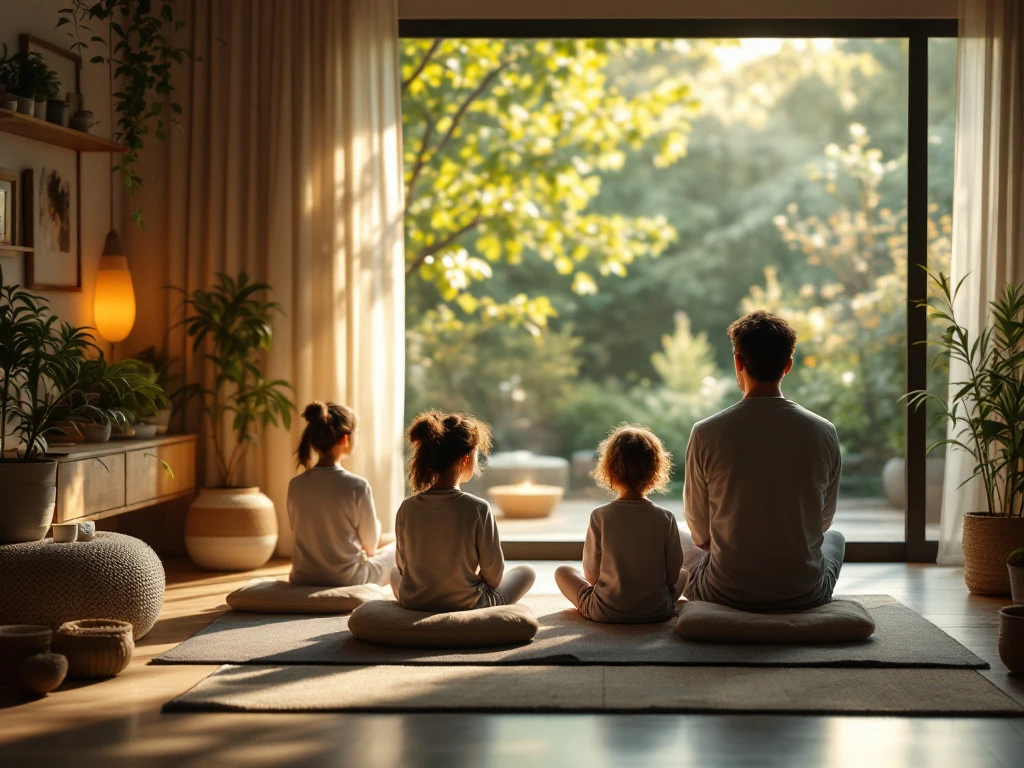
Bringing meditation into your family routine can be a delightful and bonding experience. Think of meditation as a communal dance, where each family member moves to the rhythm of relaxation and focus. One of the simplest ways to introduce this practice is through a family breathing exercise, which is both fun and effective.
Start with a “breathing relay” where each person takes turns leading by breathing deeply and slowly while others follow their pace. This not only fosters synchronicity but also emphasizes the importance of being present for each other. To make it more exciting, choose a theme—like imagining you’re blowing up giant balloons of different colors with each breath.
Incorporate guided meditations aimed at families. Kids often enjoy visual imagery, so a guided session that involves imagining you’re exploring a peaceful garden or a tranquil beach can captivate their attention while instilling calm. Consider using kids mindfulness apps to find more engaging sessions tailored to younger participants.
Family meditation can also happen outdoors. Group “listening meditation” in a park, where everyone quietly tunes into the natural sounds around, can be both soothing and grounding. This practice highlights how family meditation doesn’t have to be a rigid routine but rather an adaptable, joyful experience that strengthens communal ties while promoting well-being.
Teaching Mindfulness to Kids Through Play
Teaching mindfulness to kids becomes an exciting adventure when approached through play. Children naturally learn through exploration and fun, so integrating mindfulness into their games can make the experience both effective and enjoyable. Picture it as adding a splash of water to a dry painting, bringing each color to life with vibrancy and depth.
Start with simple mindfulness games for families, like “Mindful Treasure Hunt.” Hide objects around your home or yard and ask children to find them by focusing on their senses. Encourage them to notice details about each object, such as texture and smell, fostering awareness and presence.
Another playful exercise is “Mindful Storytelling,” where children create stories based on random words or items. This activity enhances their ability to focus, while listening to others’ stories grows empathy and understanding. It’s a beautiful way to combine creativity and attentive presence.
You can also practice “Mindful Movement,” such as slow-motion dance or yoga poses. Kids love the freedom to express themselves physically, and this practice encourages them to connect with their bodies and emotions. This connection is crucial in developing emotional regulation and self-awareness.
Teaching mindfulness through play not only captivates children’s imaginations but also plants the seeds of awareness and emotional intelligence. In this playful environment, mindfulness becomes a joyful part of their everyday lives, nurturing their growth and development with each playful experiment.
Building Emotional Intelligence and Resilience in Children
Helping children develop emotional intelligence and resilience is akin to giving them a compass for navigating life’s challenges. Mindfulness practices can play a significant role in this developmental journey. They encourage kids to understand their emotions, boosting their ability to cope with difficulties and adapt to change.
Start with simple mindfulness exercises that encourage emotional awareness, such as “Feelings in a Jar.” Fill a jar with slips of paper, each labeled with different emotions. Daily, children pick a slip and share a moment when they felt that emotion. This activity opens up space for dialogue about feelings, helping kids express and manage their emotions effectively.
Mindful breathing for children, combined with imagery like “the bee breath,” where they imagine gently buzzing like a bee, teaches them to pause and find calm amidst chaos. This practice helps them approach problems with a clear and balanced mind, fostering resilience through self-regulation.
Encouraging gratitude practices for children also builds emotional intelligence and resilience. Encourage kids to keep a gratitude journal, noting things they appreciate daily. This shift in focus helps cultivate a positive mindset, reinforcing their ability to bounce back from setbacks.
By integrating these mindfulness techniques into daily routines, you empower children to grow into emotionally intelligent individuals. This foundation not only supports their personal development but also strengthens the family unit with bonds rooted in understanding and empathy.
Conclusion
Mindfulness for families is more than just a set of practices; it’s a transformative way to enhance your family’s wellbeing and connectivity. By incorporating mindfulness into parenting, meditation, play, and emotional development, you create a nurturing environment where each family member can thrive. Mindful parenting improves communication, while engaging in family meditation and playful learning fosters lasting bonds. These practices build emotional intelligence and resilience, equipping your children with skills to navigate life’s challenges confidently. Embrace mindfulness as a daily journey towards a calmer, more harmonious home, and watch as these small changes yield profound, positive impacts on your family’s dynamics.
FAQs
Q: How can I start practicing mindfulness with my family?
A: Begin with simple activities like mindful breathing exercises or mindful storytelling. These can easily be added to your daily routine and gradually expanded with more involved practices as your family becomes comfortable.
Q: What age is appropriate to introduce mindfulness to kids?
A: Mindfulness can be introduced to children as young as toddlers through simple games and breathing exercises. Tailor activities to suit their age and attention span to keep it engaging and enjoyable.
Q: How often should we practice mindfulness as a family?
A: Consistency is key, but flexibility is important. Aim for daily practices, even if they’re short, and adjust according to your family’s schedule and preferences to maintain interest and engagement.
What is Next?
Now that you’re equipped with strategies to incorporate mindfulness into your family life, it’s time to take action. Start by introducing a simple mindfulness routine that everyone can enjoy. Share your experiences and learnings with your family to foster enthusiasm and collaboration. As you practice, remain patient and open to adjusting activities to best fit your family’s unique needs. Consider exploring family mindfulness workshops or retreats for additional support and inspiration. Remember, the journey with mindfulness is ongoing, and each small step contributes to a more harmonious and connected family life. Embrace these practices, and enjoy the positive transformation they bring to your everyday experiences together.